About Fatima

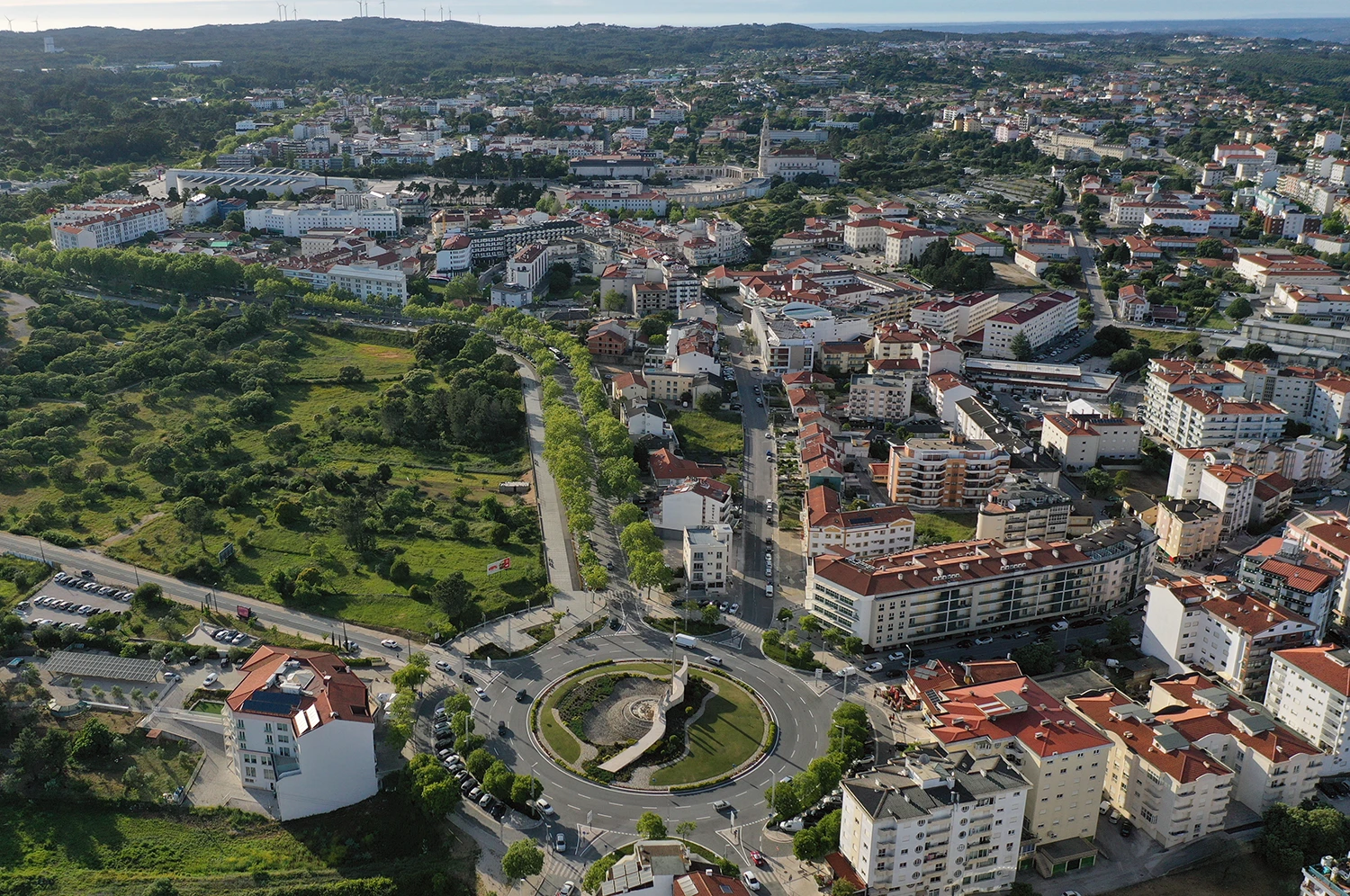
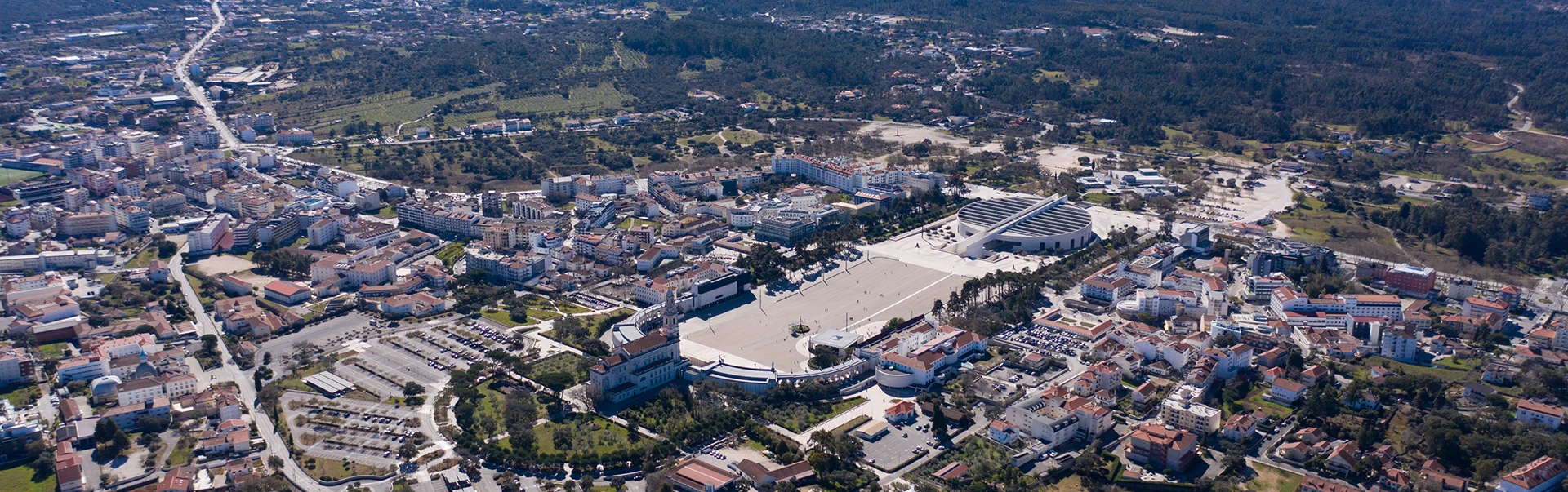
Fátima is a city that belongs to the municipality of Ourém, located in the heart of the Estremenho Limestone Massif, on the foothills of the Serra de Aire, about 300 meters above sea level. Its climate is characterized by high rainfall (around 1,400 mm on average per year), hot and dry summers.
The formations of the Serra de Aire and Candeeiros give it an arid landscape, a rocky and limestone soil where only the holm oak, Portuguese oak, strawberry tree, butcher’s broom, fig tree, and olive tree can withstand the adverse conditions presented by the climate and territory.
There is a system of small plots (cerrado) – small fields delimited by loose stone walls. Other natural formations typical of the region can also be seen: sinkholes, uvalas, poljes (Polje de Minde - Mata).
Its typically karstic structure results in the existence of caves, grottos with stalactites and stalagmites, as well as lapiez fields.
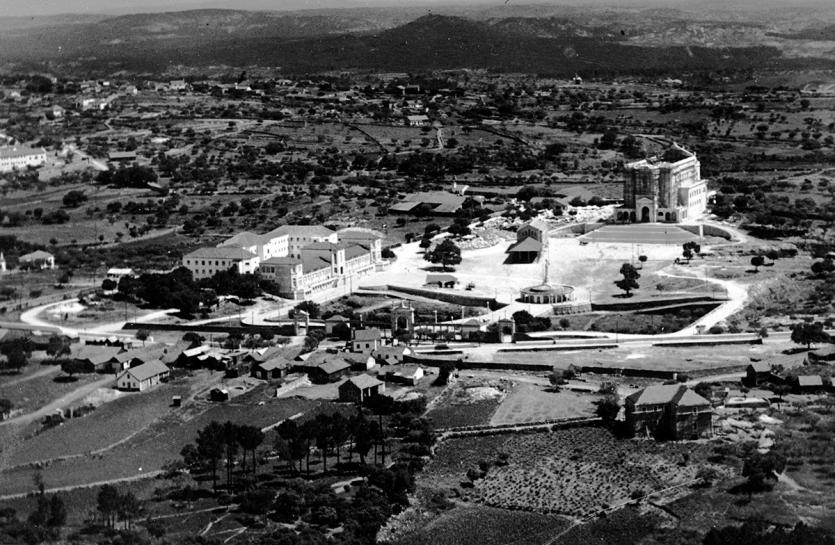
The Parish of Fátima was founded in 1568, following its separation from the Collegiate Church of Ourém. Until 1917, Fátima was an unknown village that grew on a wasteland, focused on pastoralism and rain-fed agriculture. It became world-famous due to the Marian apparitions to the three shepherd children (Lúcia, Francisco Marto, and Jacinta Marto) that took place there between May 13 and October 13, 1917.
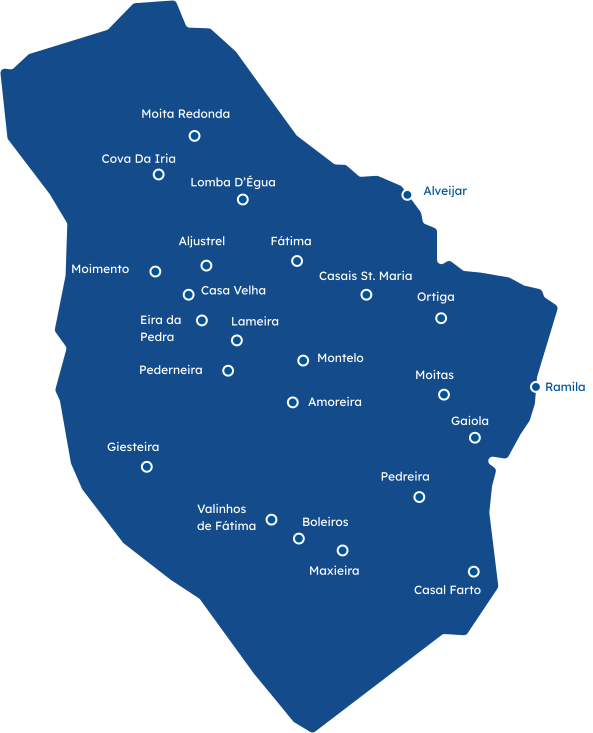
About one kilometer from Fátima lies Aljustrel, the small village where the three shepherd children were born. To the west, near Aljustrel, rises the Loca do Cabeço, a tiny cluster of rocks where, in 1916, the Angel appeared twice to the three shepherd children.
Characterization

District
Santarém

Municipality
Ourém

Area
71.29 Km2

Density
144,5 hab./km²

Patron Saint
Our Lady of Pleasures

Population
13,224 inhabitants
(2021 census)
Population
The parish of Fátima brings together a set of localities that, in harmony, reflect the cultural, social, and historical richness of this territory. The diversity of its people, traditions, and ways of life is reflected in demographic data, which helps to better understand the reality experienced in each place. These elements provide a detailed view of the resident population, the number of households, and the distribution of housing and buildings.
Analyzing these indicators is essential to identify the community's needs and promote balanced and sustainable development. By understanding the evolution of the population and housing structures, it becomes possible to plan more effectively to meet social, economic, and cultural demands, ensuring the appreciation and future of the parish of Fátima.
Consult the census data regarding the resident population, the number of households, housing, and buildings in the parish of Fátima.